
 Tools
Tools Tools
Tools


Finney, Rachael and Benalcazar, Diego and Stevenson, Caroline (2026) Solidarity Together, We Shall Sing, We Shall Sing, Solidarity Together. [Show/Exhibition]
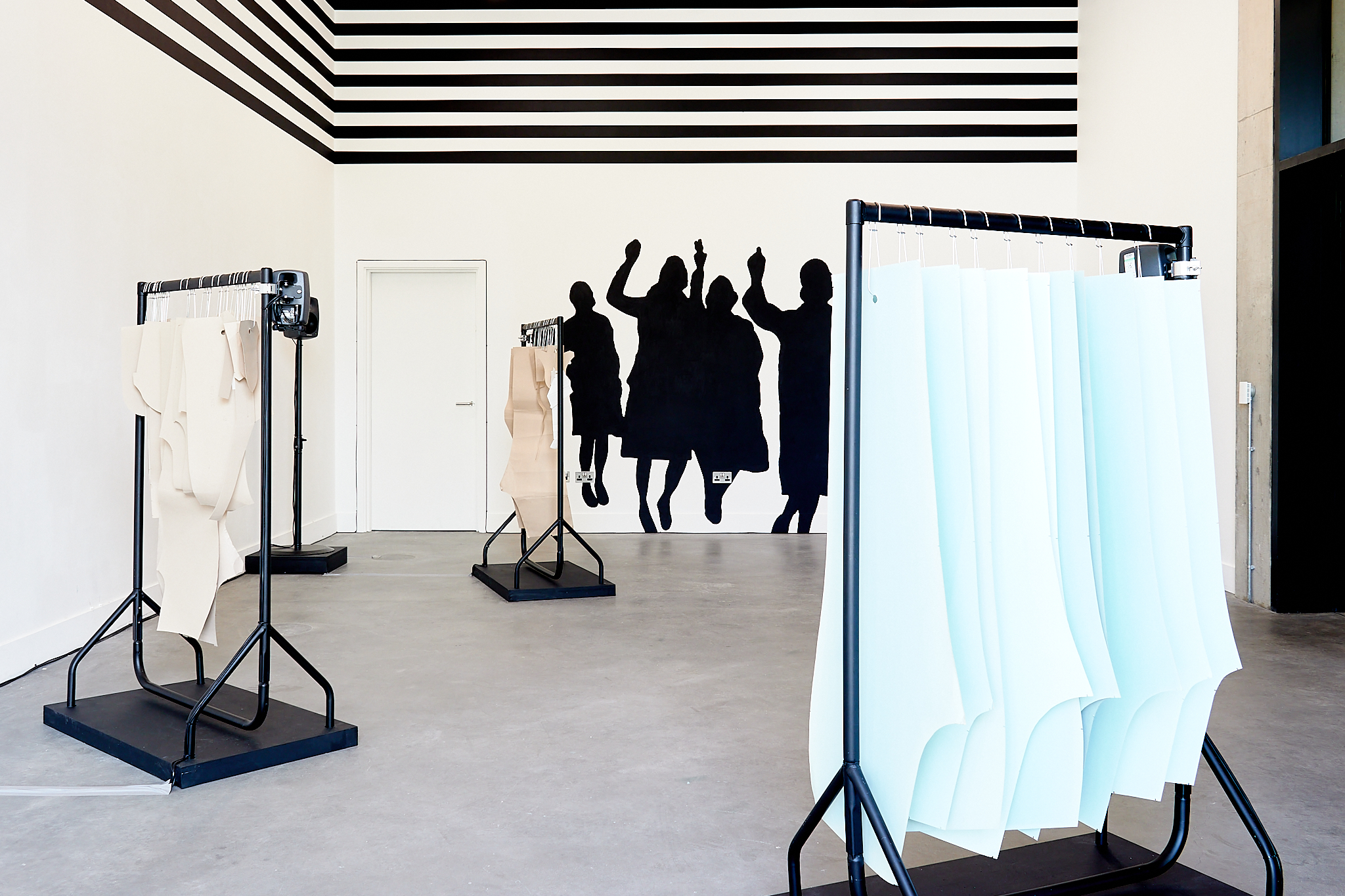
![[img]](https://ualresearchonline.arts.ac.uk/26679/1.haslightboxThumbnailVersion/Resonant%20Matter%2C%20Installation%20view%2C%20London%20College%20of%20Fashion%2C%20UAL%2C%20Photo%2C%20Jack%20Morgan%20%2827%29.jpg) Solidarity Together, We Will Sing ... 
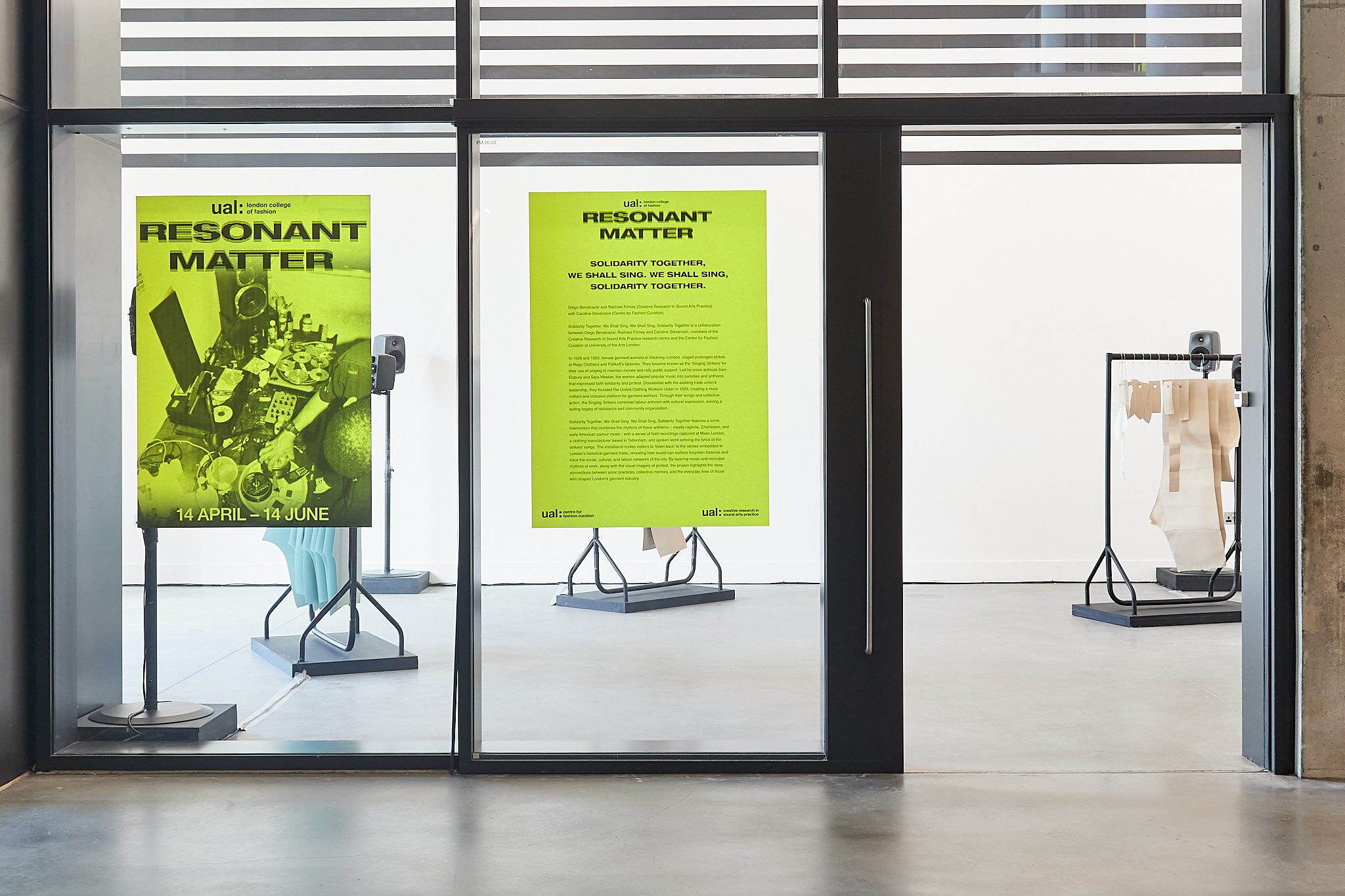
| ![[img]](https://ualresearchonline.arts.ac.uk/26679/2.haslightboxThumbnailVersion/Resonant%20Matter%2C%20Installation%20view%2C%20London%20College%20of%20Fashion%2C%20UAL%2C%20Photo%2C%20Jack%20Morgan%20%2824%29.jpg) Solidarity Together, We Will Sing ...
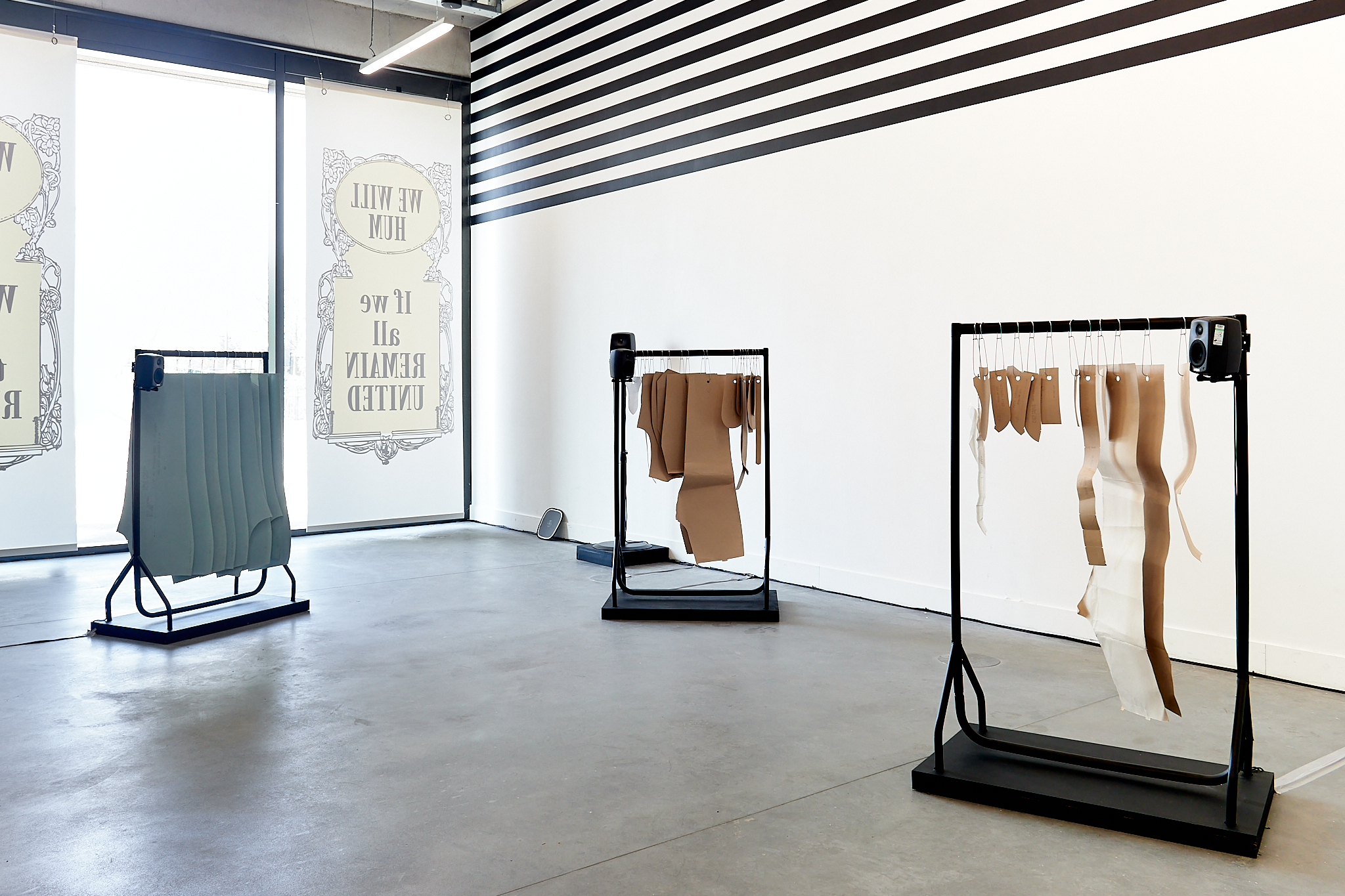
| ![[img]](https://ualresearchonline.arts.ac.uk/26679/3.haslightboxThumbnailVersion/Resonant%20Matter%2C%20Installation%20view%2C%20London%20College%20of%20Fashion%2C%20UAL%2C%20Photo%2C%20Jack%20Morgan%20%2826%29.jpg) Solidarity Together, We Will Sing ...
|
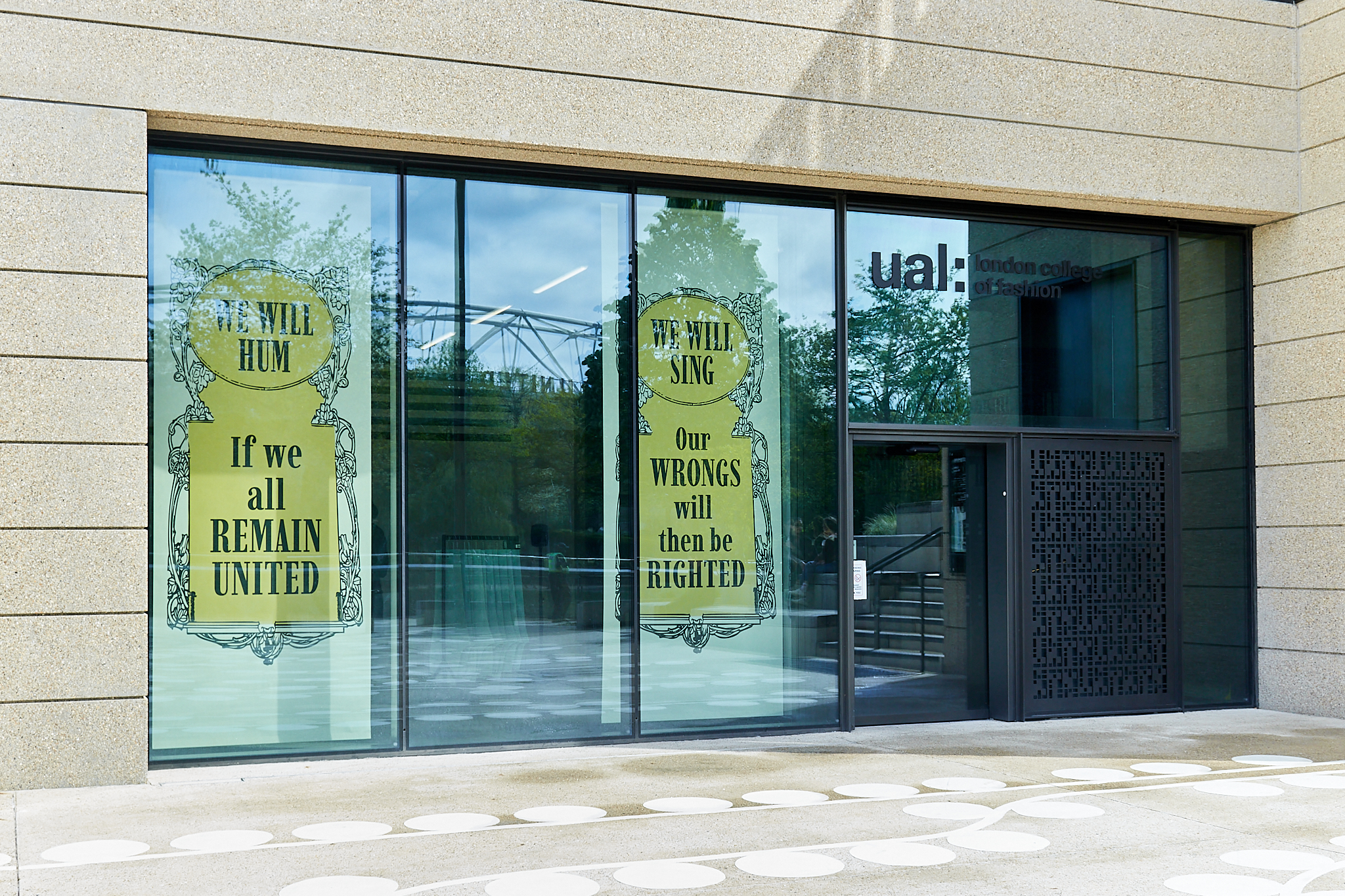
![[img]](https://ualresearchonline.arts.ac.uk/26679/4.haslightboxThumbnailVersion/Resonant%20Matter%2C%20Installation%20view%2C%20London%20College%20of%20Fashion%2C%20UAL%2C%20Photo%2C%20Jack%20Morgan%20%2828%29.jpg) Solidarity Together, We Will Sing ...
|
| Type of Research: | Show/Exhibition |
|---|---|
| Creators: | Finney, Rachael and Benalcazar, Diego and Stevenson, Caroline |
| Description: | Diego Benalcazar and Rachael Finney (Centre for Research in Sound Arts Practice) Solidarity Together, We Shall Sing. We Shall Sing, Solidarity Together (2026) is a collaboration between Diego Benalcazar, Rachael Finney and Caroline Stevenson, members of the Centre for Research in Sound Arts Practice and the Centre for Fashion Curation at University of the Arts London. In 1928 and 1929, female garment workers in Hackney, London, staged prolonged strikes at Rego Clothiers and Polikoff’s factories. They became known as the ‘Singing Strikers’ for their use of singing to maintain morale and rally public support. Led by union activists Sam Elsbury and Sara Wesker, the women adapted popular music into parodies and anthems that expressed both solidarity and protest. Dissatisfied with the existing trade union’s leadership, they founded the United Clothing Workers Union in 1929, creating a more militant and inclusive platform for garment workers. Through their songs and collective action, the Singing Strikers combined labour activism with cultural expression, leaving a lasting legacy of resistance and community organisation. Solidarity Together, We Shall Sing. We Shall Sing, Solidarity Together (2026) features a sonic intervention that combines the rhythms of these anthems – mostly ragtime, charleston, and early American parlour music - with a series of field recordings captured at Maes London, a clothing manufacturer based in Tottenham, and spoken word echoing the lyrics of the strikers songs. The installation invites visitors to 'listen back' to the stories embedded in London’s historical garment trade, revealing how sound can surface forgotten histories and trace the social, cultural, and labour networks of the city. By layering music and recorded rhythms of work, along with the visual imagery of protest, the project highlights the deep connections between sonic practices, collective memory, and the everyday lives of those who shaped London’s garment industry. |
| Keywords/subjects not otherwise listed: | Fashion History, Activism |
| Your affiliations with UAL: | Colleges > London College of Communication Colleges > London College of Fashion Research Centres/Networks > Creative Research into Sound Arts Practice (CRiSAP) |
| Date: | 2026 |
| Related Websites: | https://www.arts.ac.uk/colleges/london-college-of-fashion/cultural-programme/resonant-matter |
| Related Websites: | |
| Related Exhibitions: | Resonant Matter, The Music is Black |
| Projects or Series: | Resonant Matter |
| Locations / Venues: | Location From Date To Date London College of Fashion Galleries 14 April 2026 14 June 2026 |
| Material/Media: | Sound, paper, spatial audio, spoken word |
| Measurements or Duration of item: | 30 minutes |
| Date Deposited: | 22 May 2026 16:10 |
| Last Modified: | 22 May 2026 16:10 |
| Item ID: | 26679 |
| URI: | https://ualresearchonline.arts.ac.uk/id/eprint/26679 |
| Licences: |
Repository Staff Only: item control page | University Staff: Request a correction