
 Tools
Tools Tools
Tools


Ellard, Graham and Johnstone, Stephen (2026) Or the Two Kinds of Space. [Art/Design Item]
![[img]](https://ualresearchonline.arts.ac.uk/27839/1.haslightboxThumbnailVersion/Still001.jpg)

![[img]](https://ualresearchonline.arts.ac.uk/27839/2.haslightboxThumbnailVersion/Still003.jpg)
![[img]](https://ualresearchonline.arts.ac.uk/27839/3.haslightboxThumbnailVersion/Still004.jpg)
![[img]](https://ualresearchonline.arts.ac.uk/27839/4.haslightboxThumbnailVersion/Still009.jpg)
![[img]](https://ualresearchonline.arts.ac.uk/27839/5.haslightboxThumbnailVersion/Still010.jpg)
![[img]](https://ualresearchonline.arts.ac.uk/27839/6.haslightboxThumbnailVersion/Still011.jpg)
![[img]](https://ualresearchonline.arts.ac.uk/27839/7.haslightboxThumbnailVersion/Still014.jpg)
![[img]](https://ualresearchonline.arts.ac.uk/27839/8.haslightboxThumbnailVersion/Still017.jpg)
![[img]](https://ualresearchonline.arts.ac.uk/27839/9.haslightboxThumbnailVersion/Still021.jpg)
![[img]](https://ualresearchonline.arts.ac.uk/27839/10.haslightboxThumbnailVersion/Still025.jpg)
![[img]](https://ualresearchonline.arts.ac.uk/27839/11.haslightboxThumbnailVersion/Still027.jpg)
![[img]](https://ualresearchonline.arts.ac.uk/27839/12.haslightboxThumbnailVersion/Still031.jpg)
![[img]](https://ualresearchonline.arts.ac.uk/27839/13.haslightboxThumbnailVersion/Still031.jpg)
![[img]](https://ualresearchonline.arts.ac.uk/27839/14.haslightboxThumbnailVersion/Still032.jpg)
![[img]](https://ualresearchonline.arts.ac.uk/27839/15.haslightboxThumbnailVersion/Still035.jpg)
![[img]](https://ualresearchonline.arts.ac.uk/27839/16.haslightboxThumbnailVersion/Still036.jpg)
![[img]](https://ualresearchonline.arts.ac.uk/27839/17.haslightboxThumbnailVersion/Still041.jpg)
![[img]](https://ualresearchonline.arts.ac.uk/27839/18.haslightboxThumbnailVersion/Still053.jpg)
![[img]](https://ualresearchonline.arts.ac.uk/27839/19.haslightboxThumbnailVersion/Still057.jpg)
![[img]](https://ualresearchonline.arts.ac.uk/27839/20.haslightboxThumbnailVersion/Still061.jpg)
| Type of Research: | Art/Design Item |
|---|---|
| Creators: | Ellard, Graham and Johnstone, Stephen |
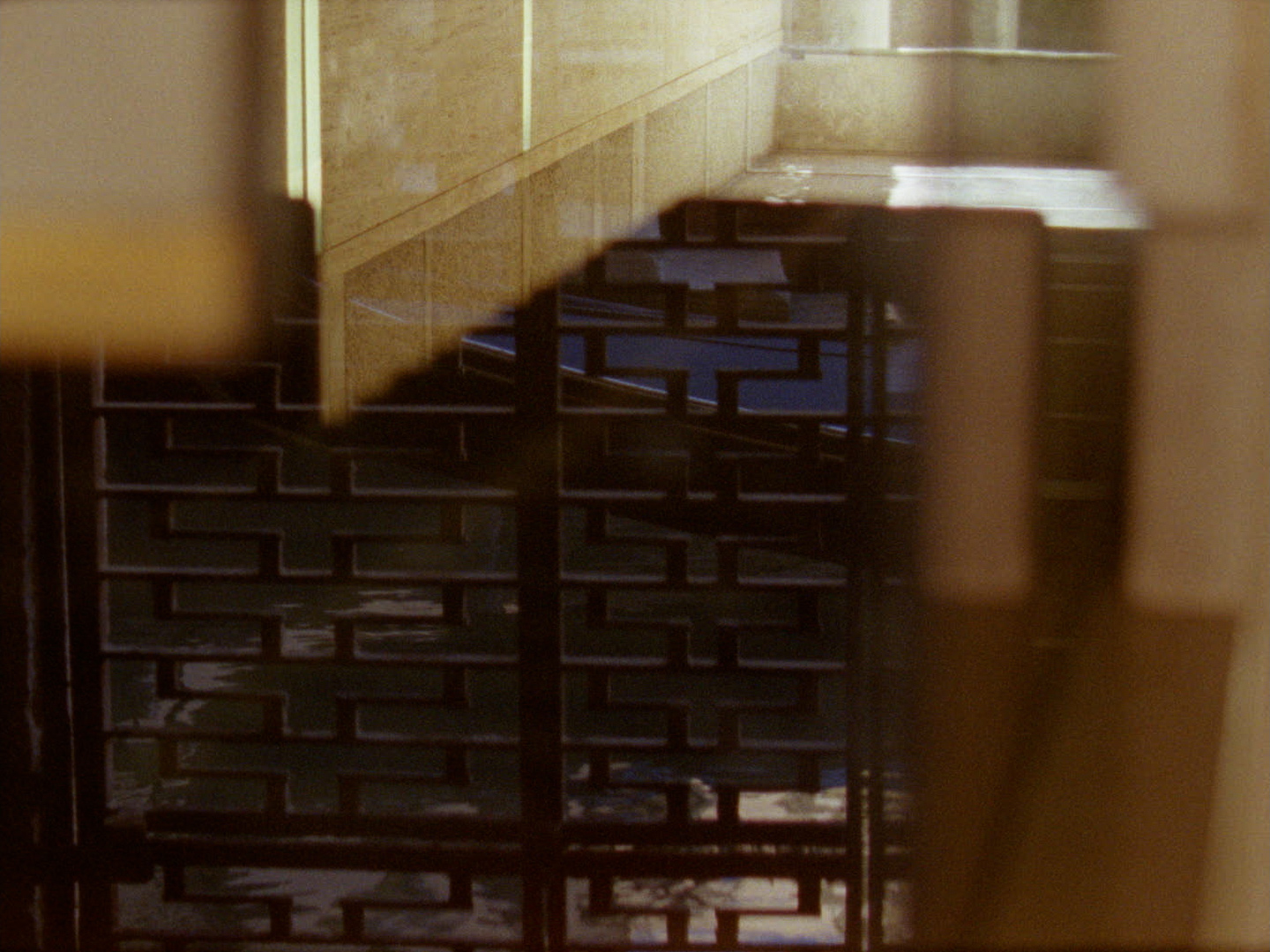
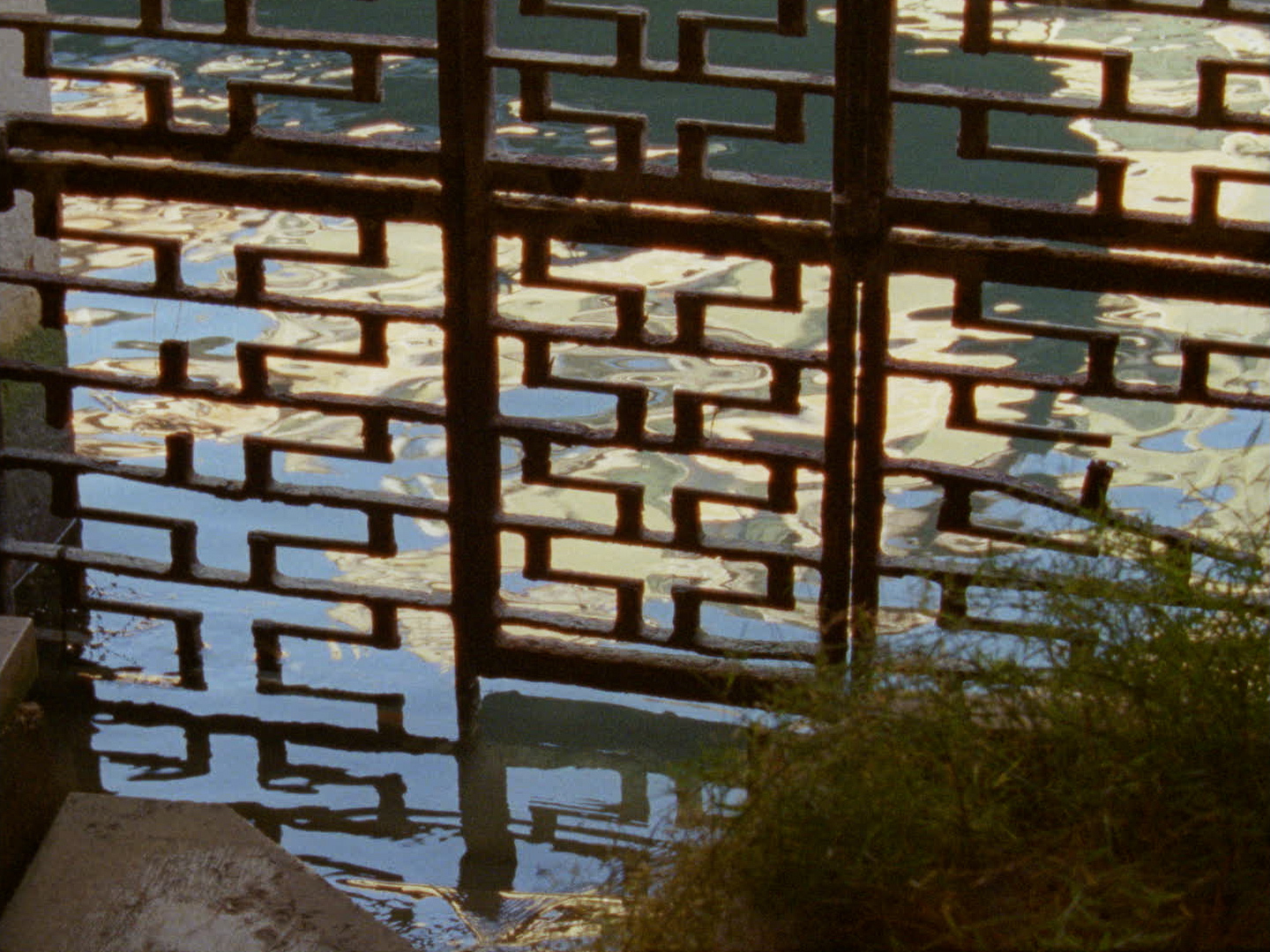
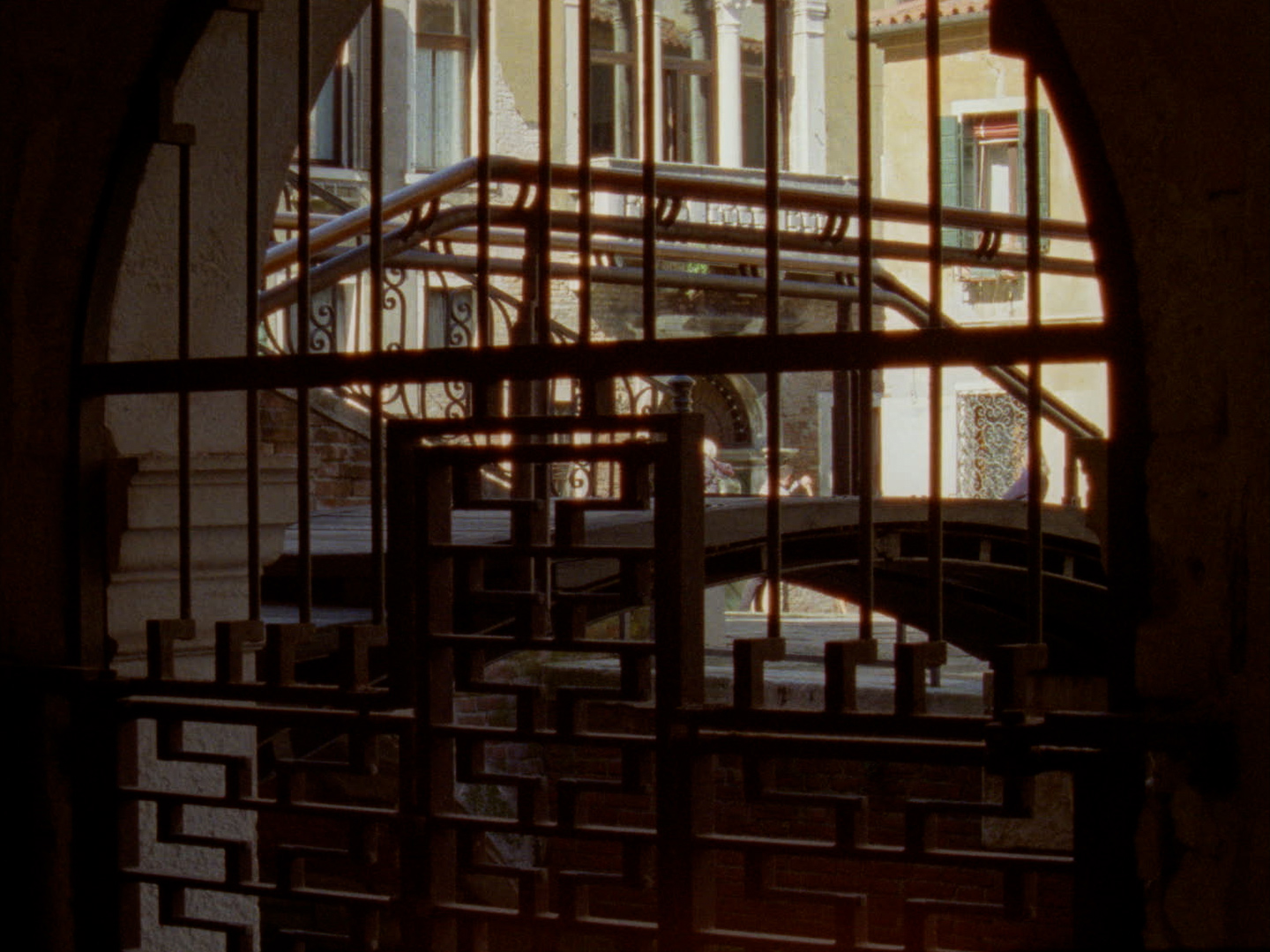
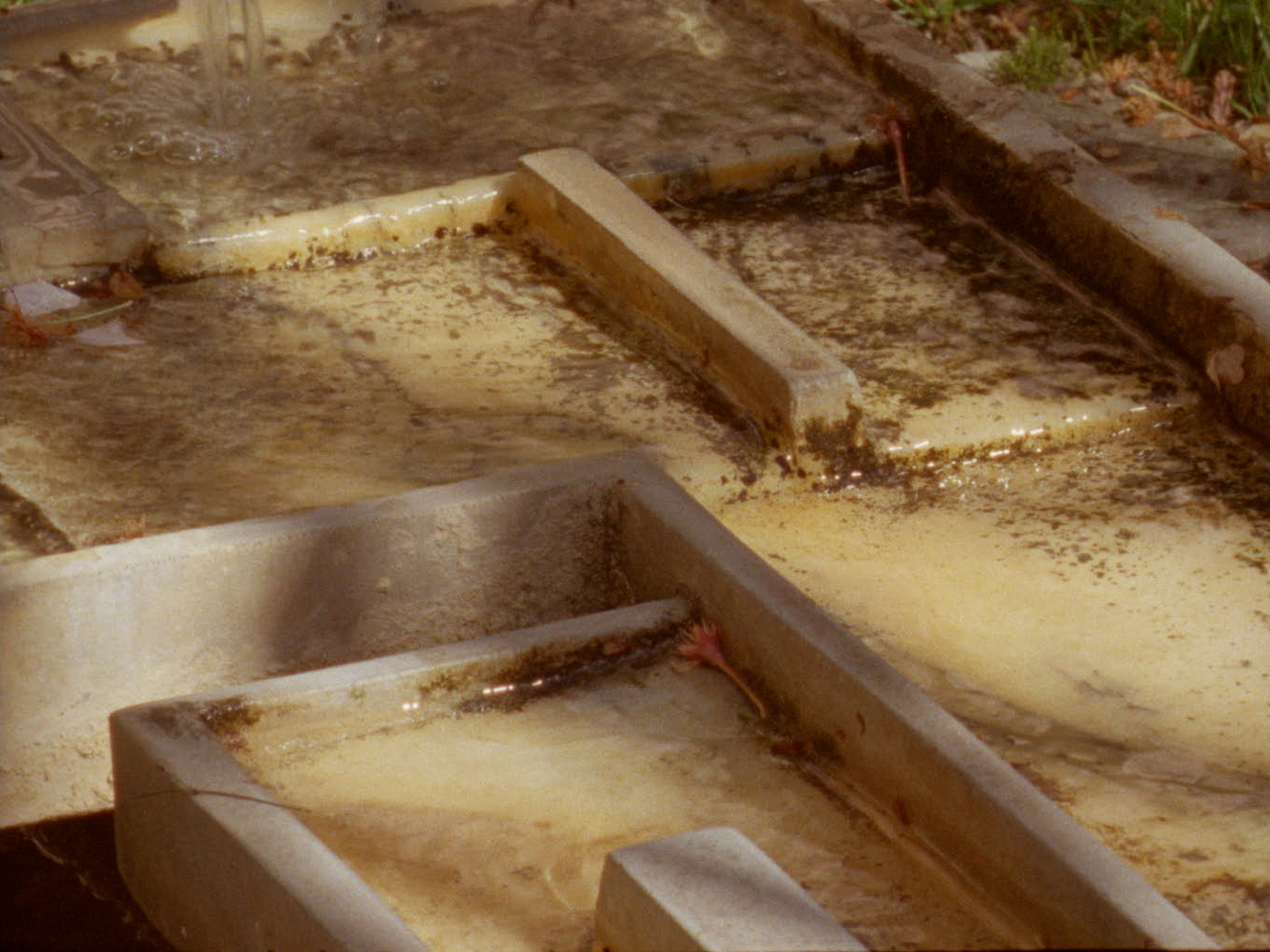
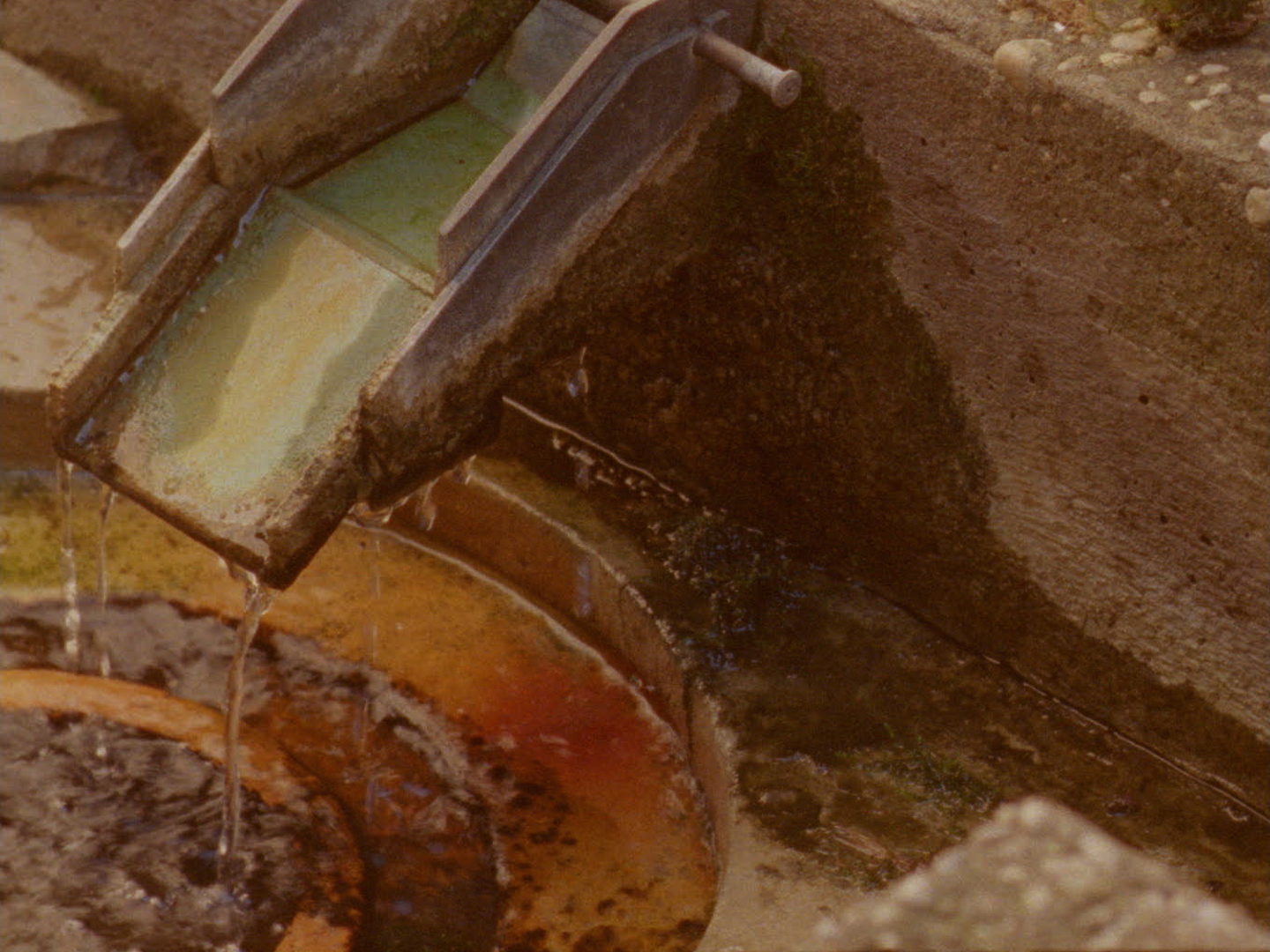
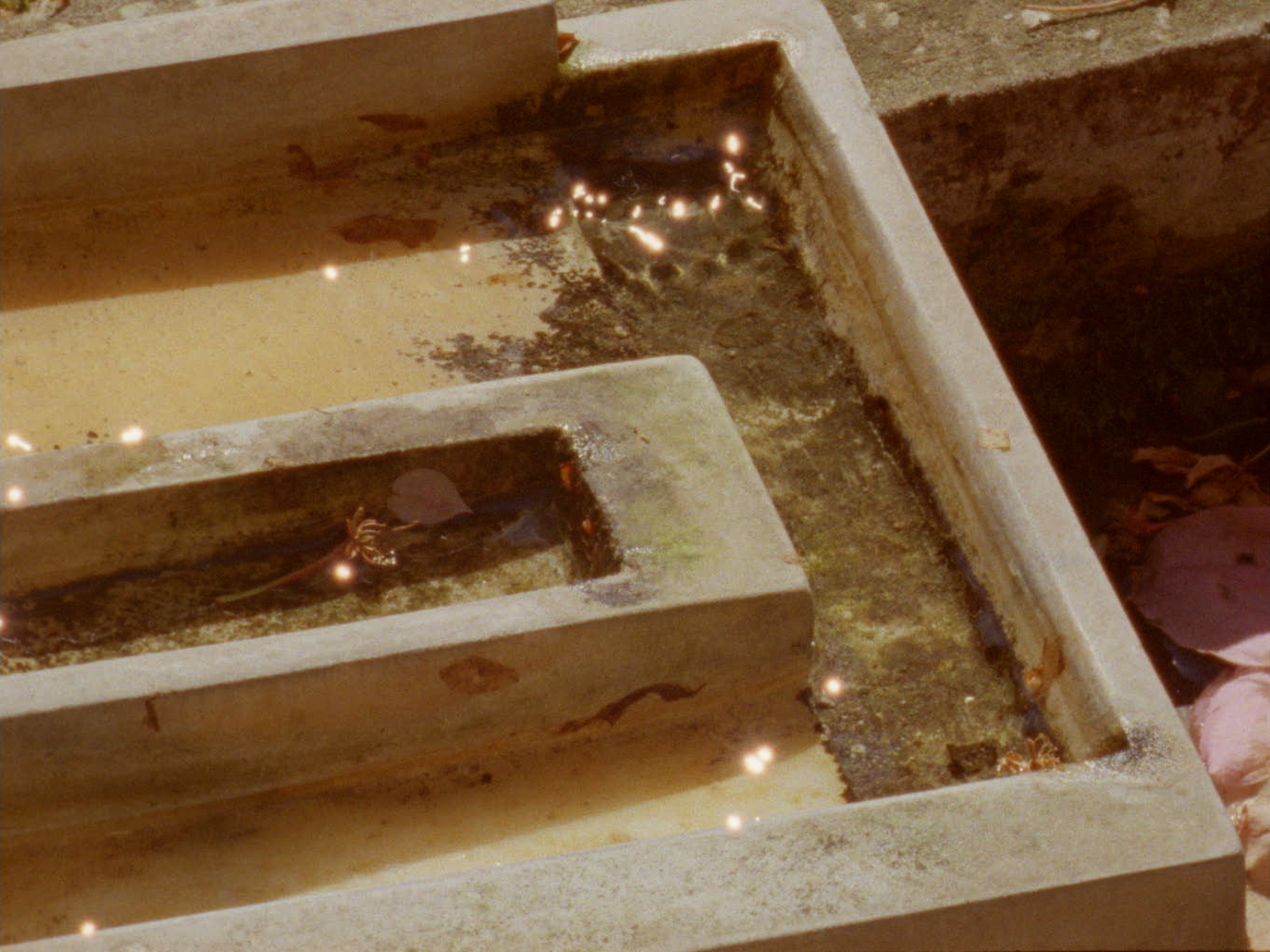
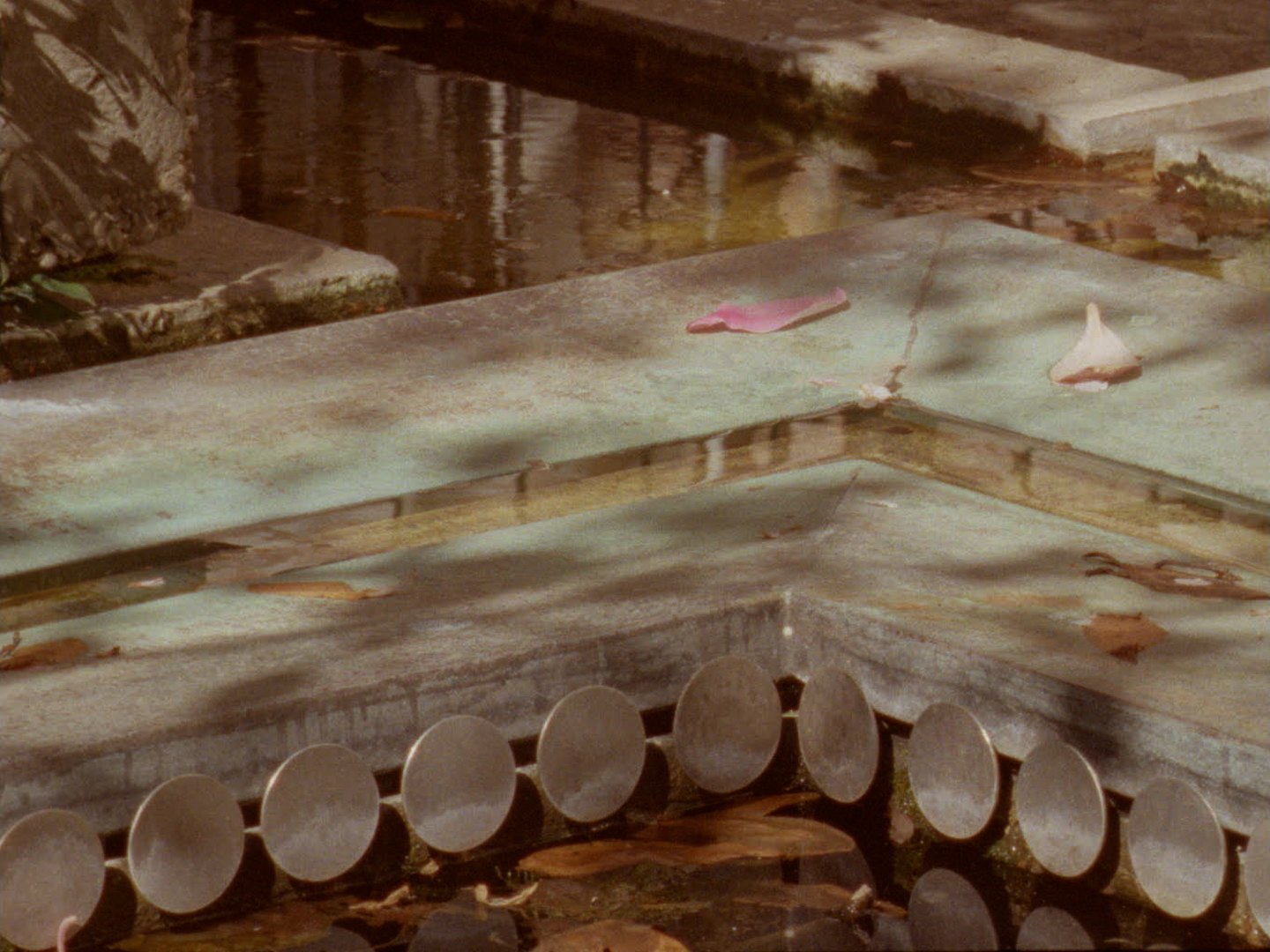
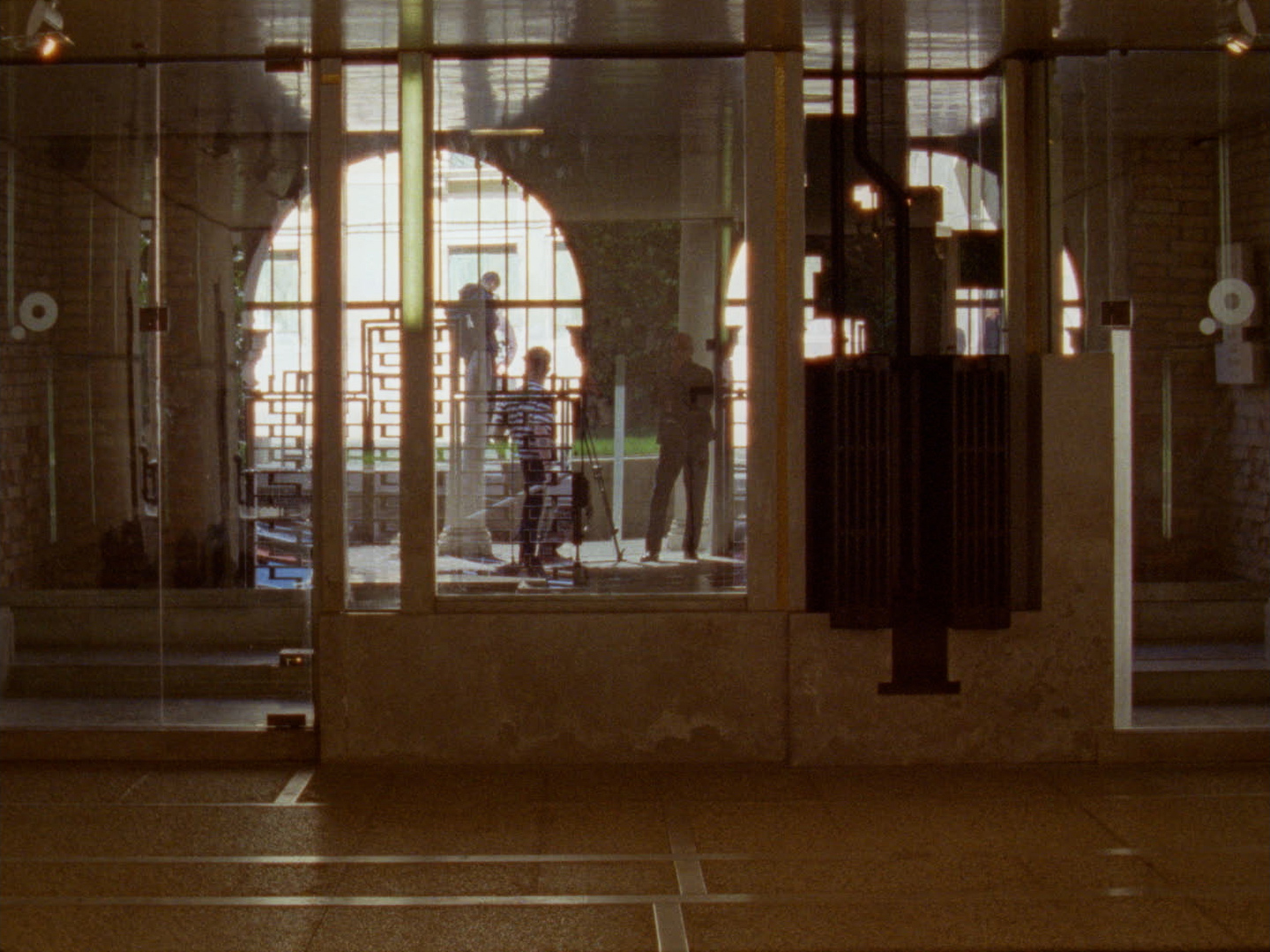
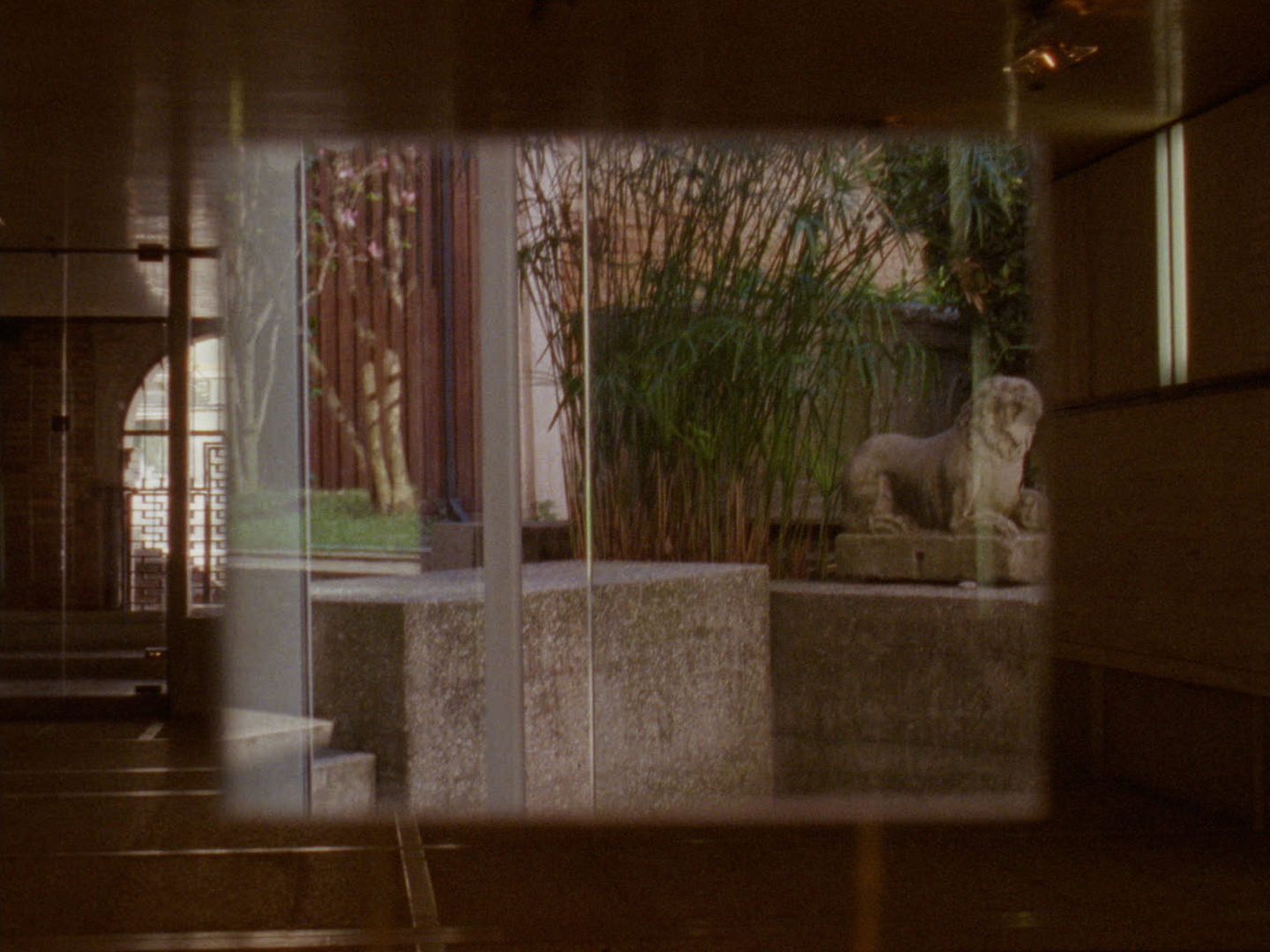
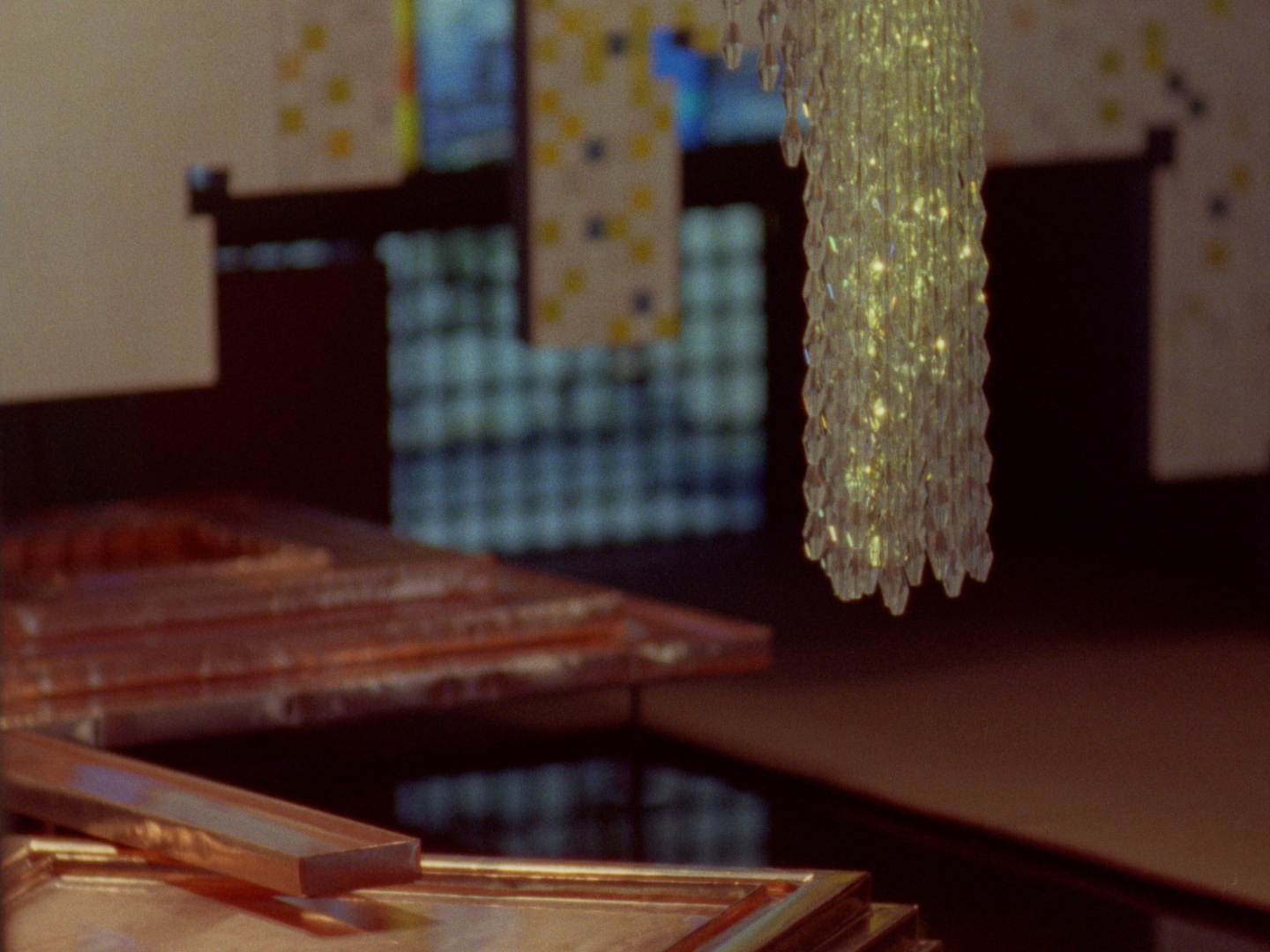
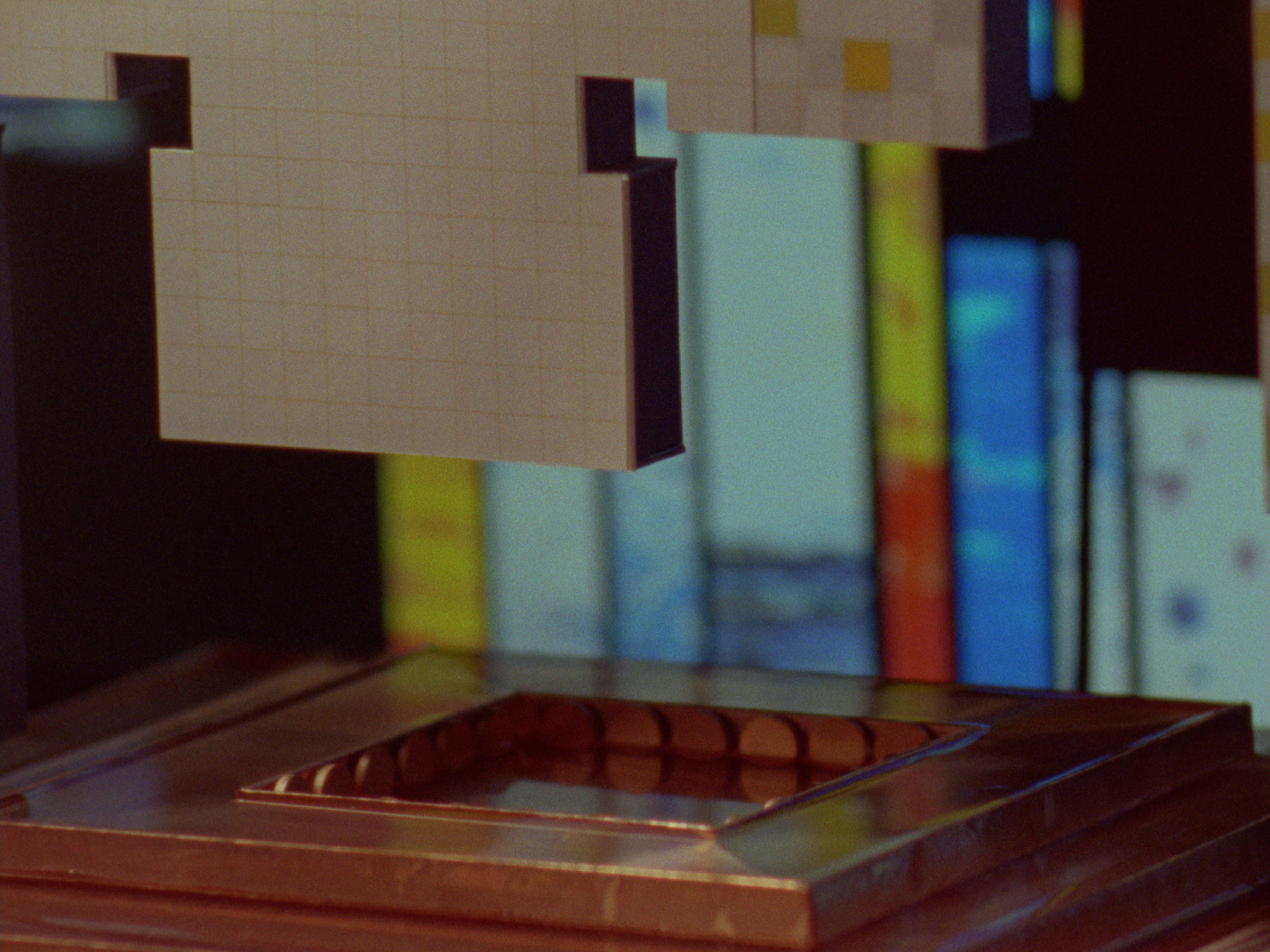
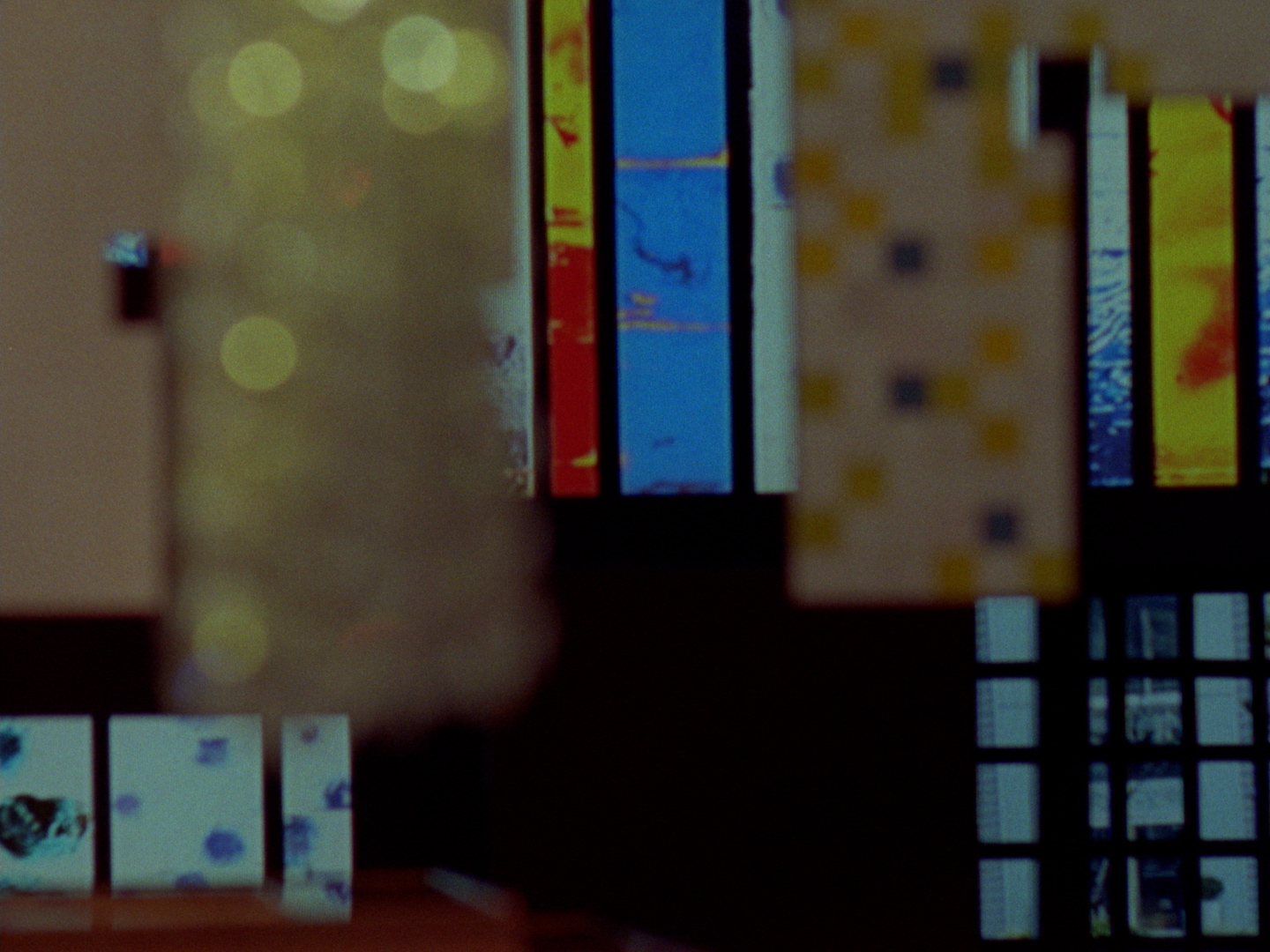
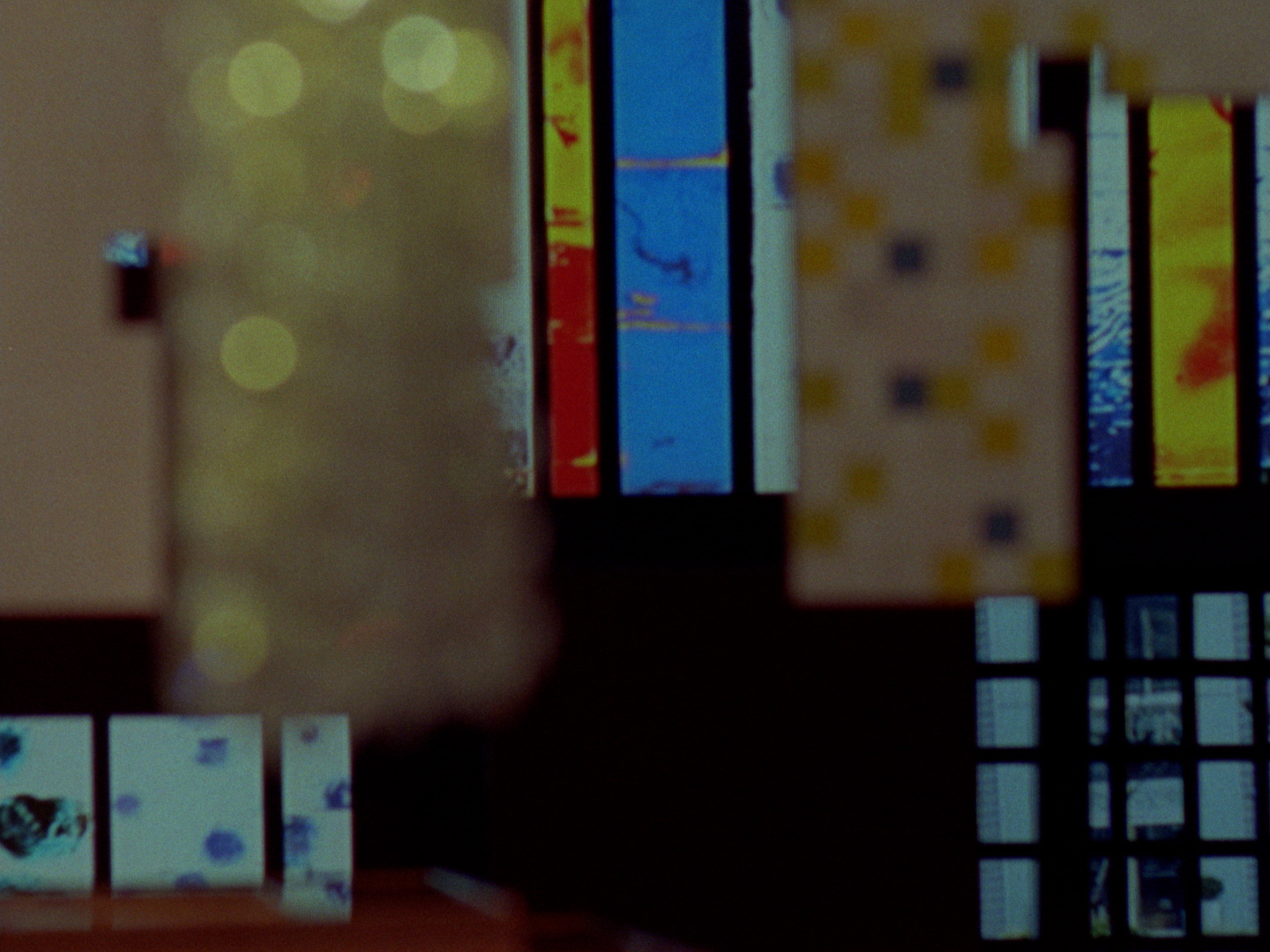
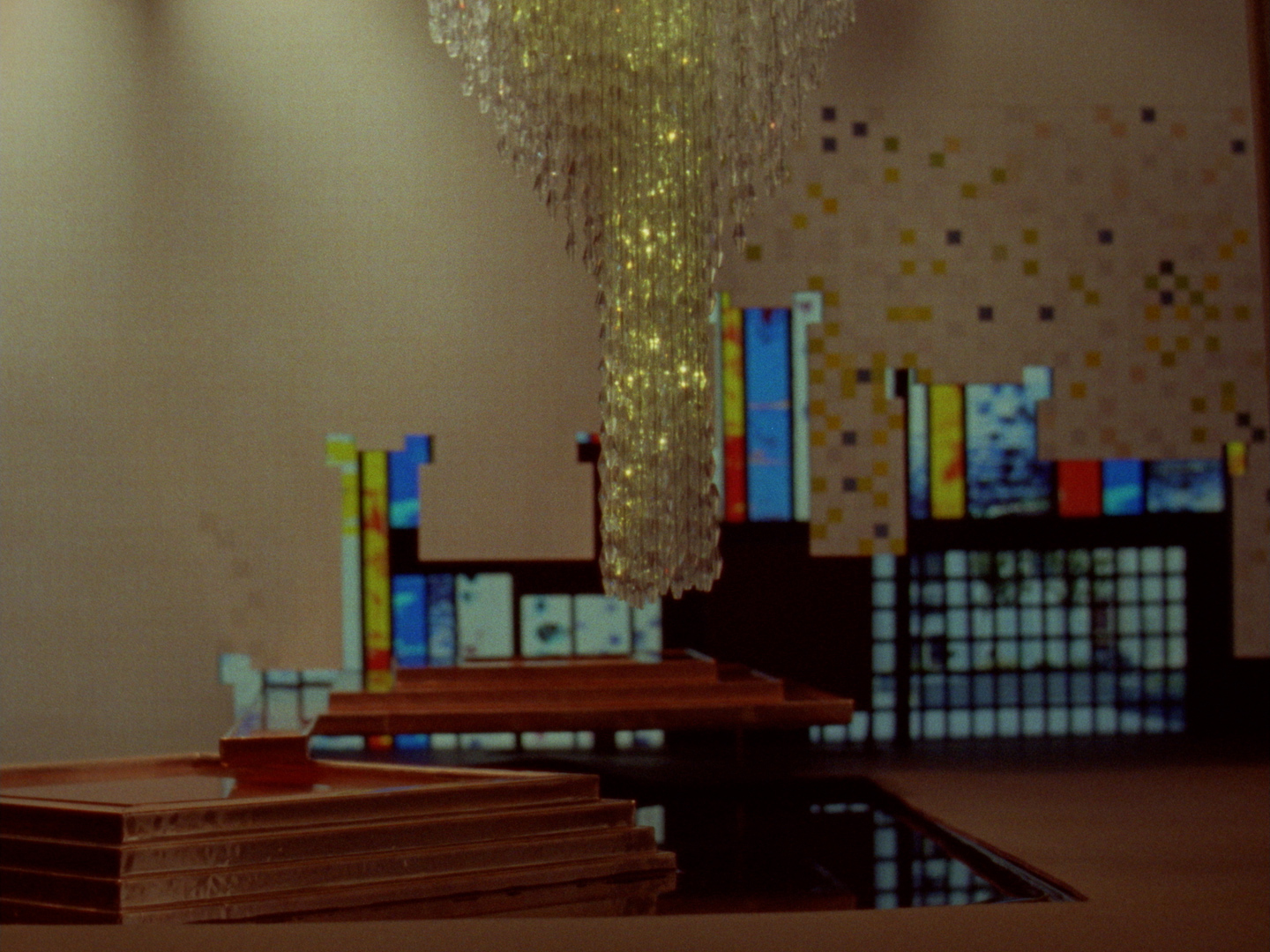
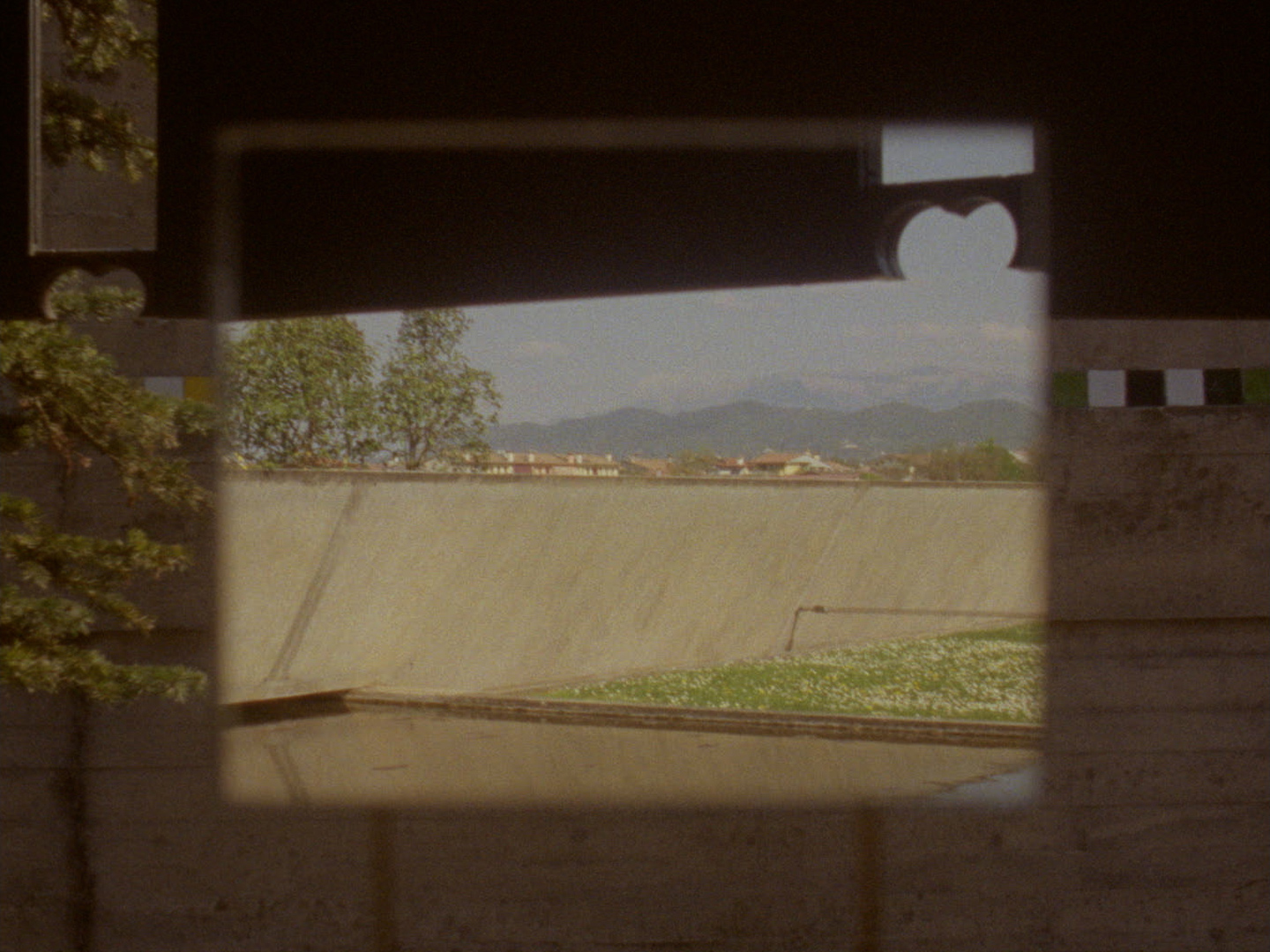
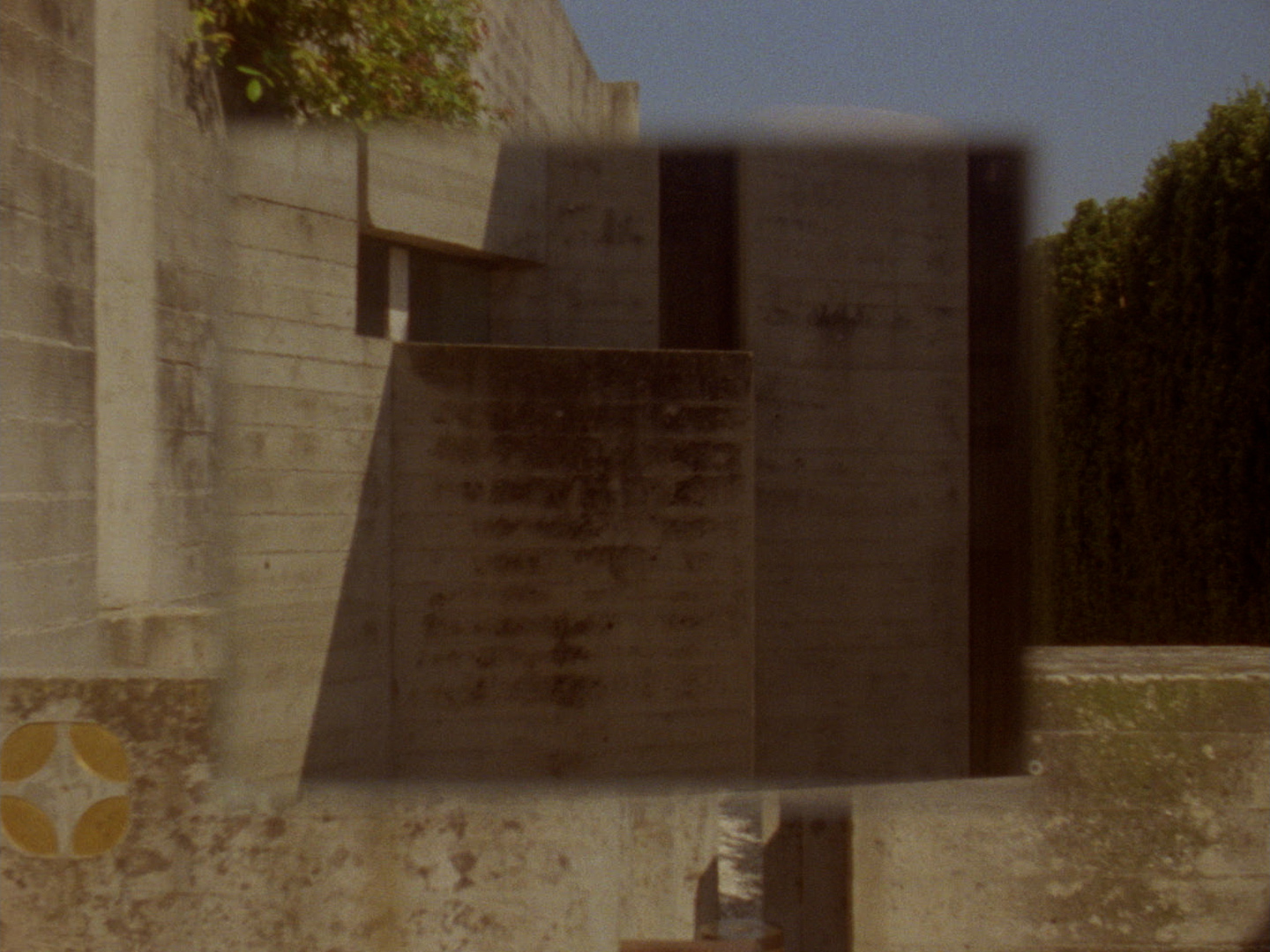
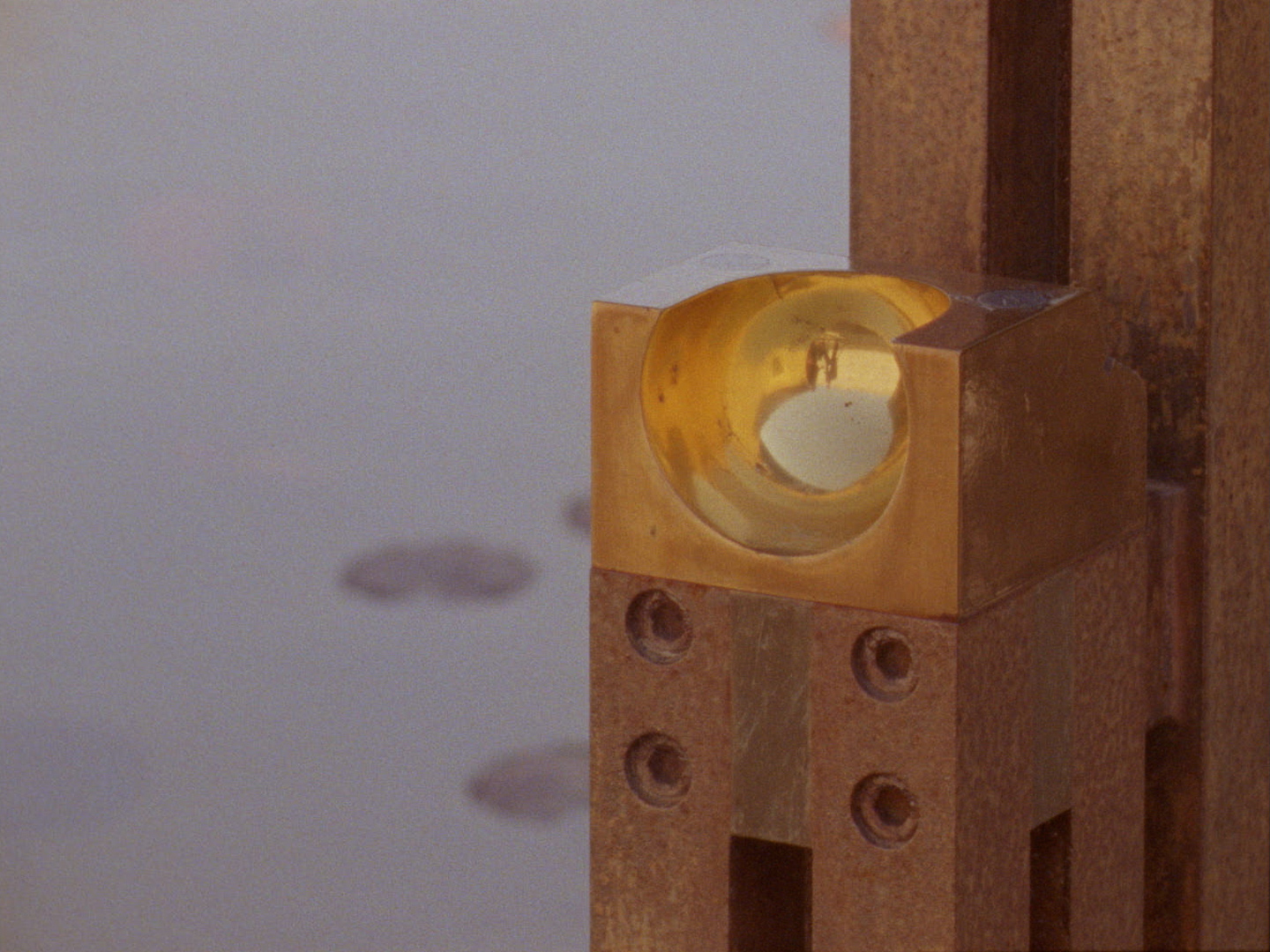
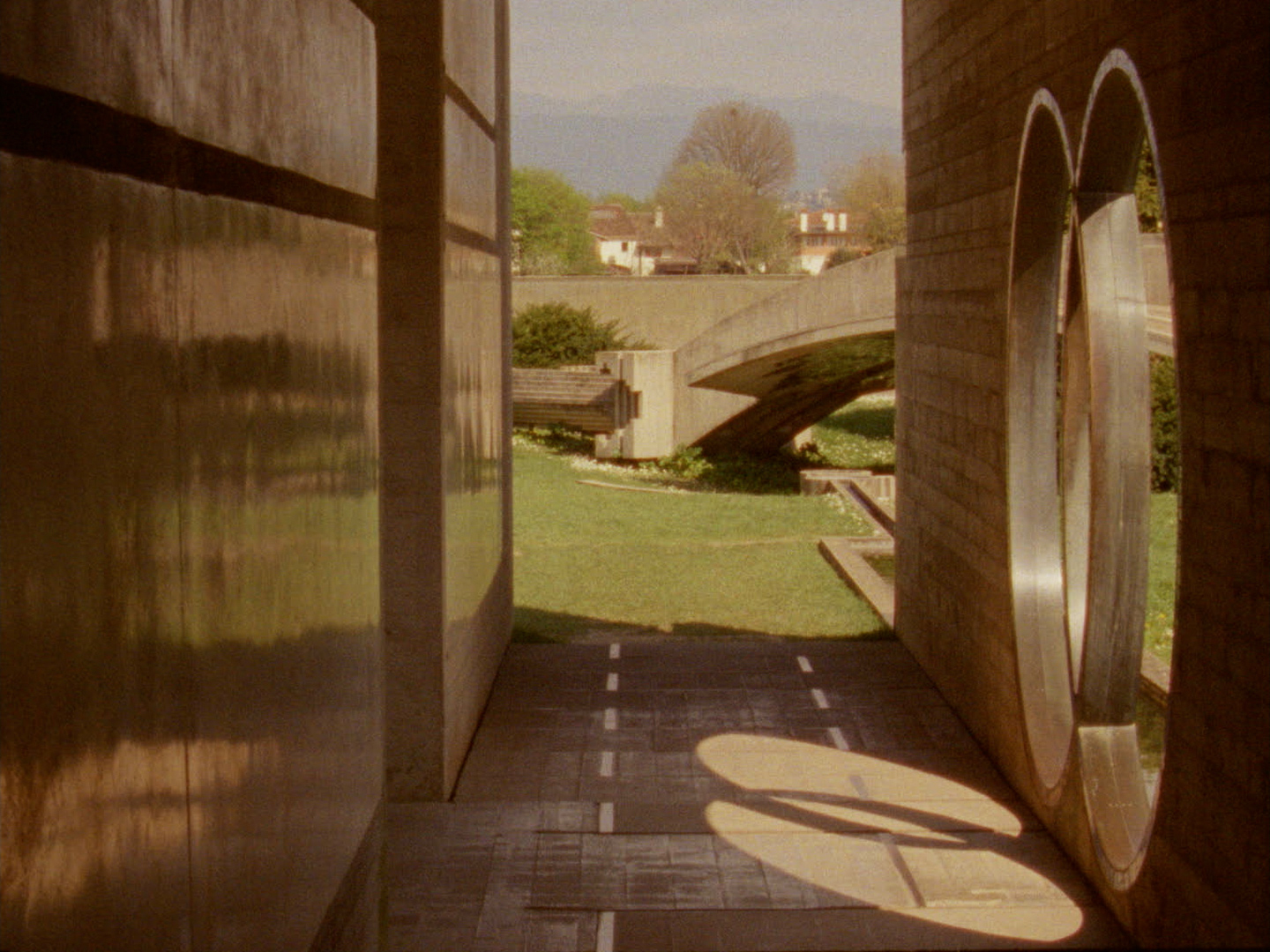
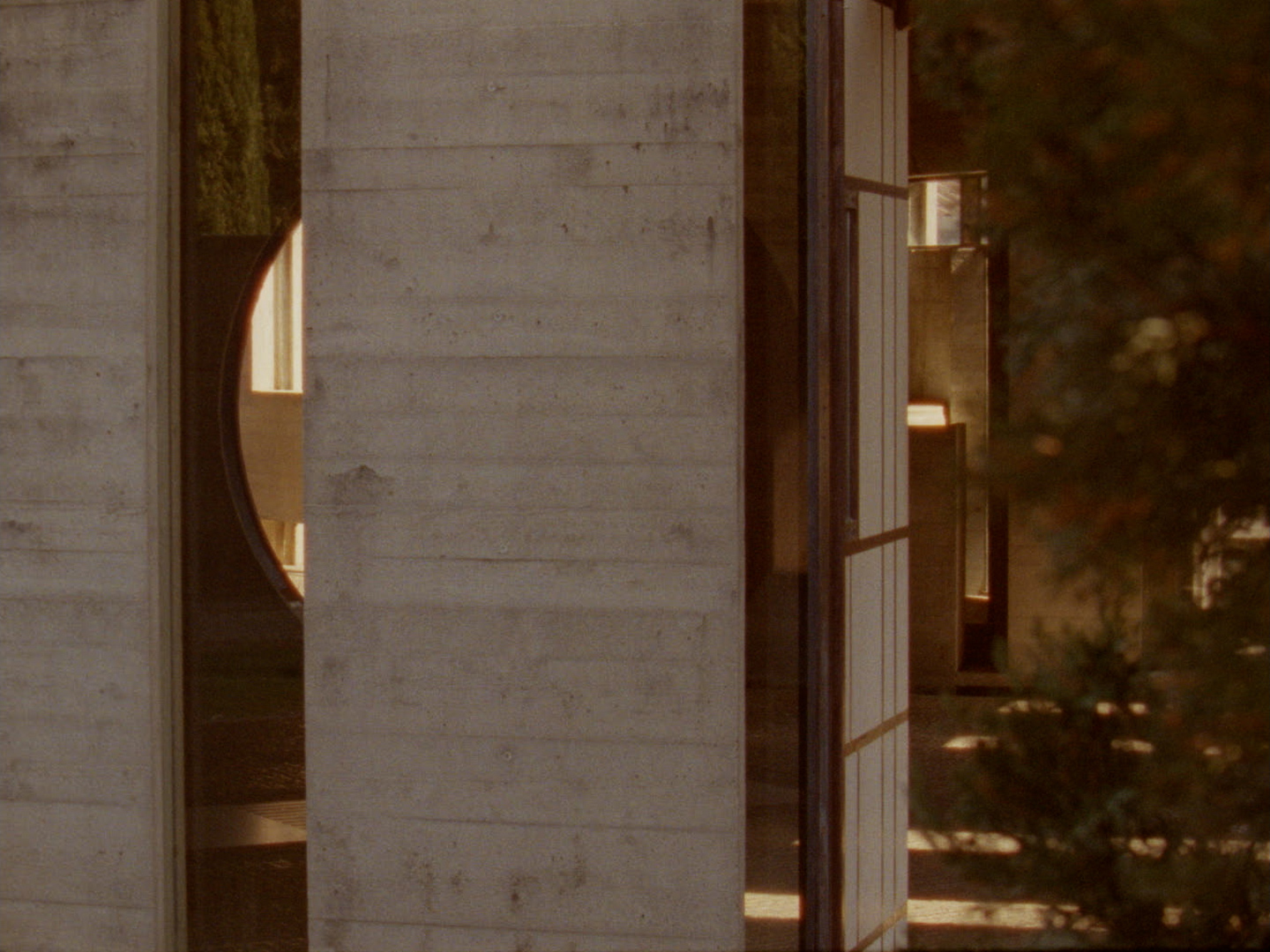
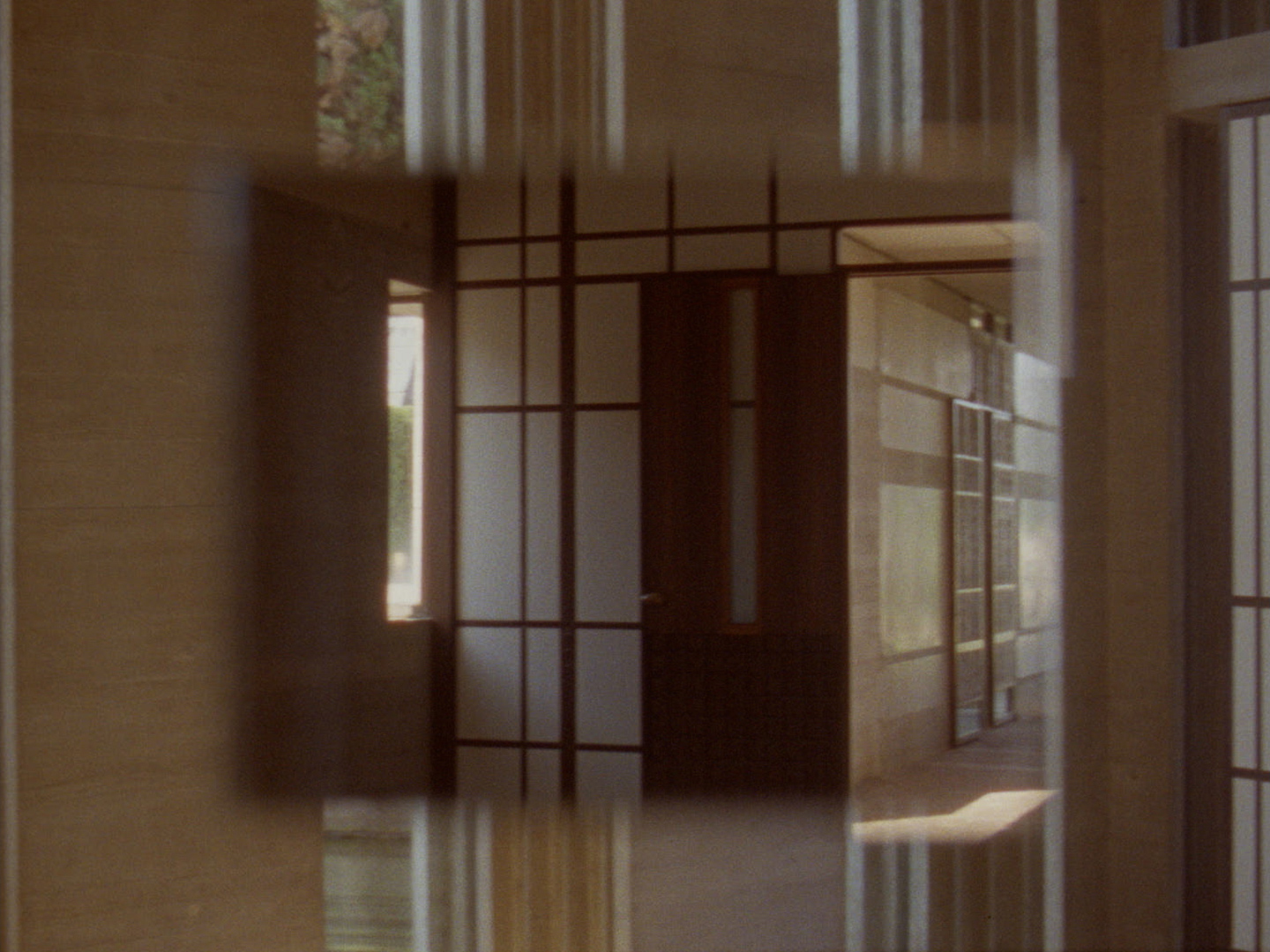
| Description: | "Or the Two Kinds of Space", 16mm film, colour, optical-sound, 15mins. Approaching Scarpa’s architecture through indirectness, as if glimpsing something, or casting a sidelong glance, the camera is employed to search out natural super-imposition and reflection. In the pursuit of exploring Scarpa’s poetic use of sightlines and prismatics, the filmmakers built a mirror device that would allow them to place an image within an image – a simple, handmade optical machine for showing what is in front of you and what is behind you in one shot. Combined with the 360 degree pan this optical machine produces an effect in which the offscreen seamlessly becomes the onscreen and vice versa. At the same time the artists suggest the extraordinary atmospherics of the Querini Stamapali, the Tomba Brion, and the Turin Pavilion. Emphasising the central importance of an aqueous architectural vocabulary to Scarpa’s designs (watercourses, pools, channels, conduits, moats, spouts and spigots, drains, basins), they create a record of the two buildings and model made up of luminous, partial reflections and rhythmic, moving light. "Or the Two Kinds of Space" was shot in the Fondazione Querini Stampalia, Venice and the Tomba Brion in the Veneto. Both were designed by the Venetian architect Carlo Scarpa and the focus of our research will be Scarpa’s extraordinary use of water and light as building materials (Schulz). What we were looking for a cinematic language articulating what the renowned Italian photographer Guido Guidi describes as Scarpa’s architecture being one of “circularity, the sidelong glance, the process of return, the second look”. In combination with Tafuri’s description that Scarpa’s buildings are full of “Interrupted and figured angles, dislocated planes” with “water further diluting unstable forms”. In searching for this language, we built a device that would allow us to place an image within and image – an optical machine for showing what was in front of the camera and what was behind camera, at the same time. Combined with the 360degree pan this optical machine also produces the effect in which the offscreen seamlessly becomes the onscreen, and vice versa. At the same time, we return to the extraordinary atmospherics of Scarpa’s work, emphasising the central importance of not just their play with water, light, and reflection, but also Scarpa’s development of an aqueous architectural vocabulary of watercourses, pools, channels, conduits, fountains, moats, spouts and spigots, drains, basins, and sluices. This vocabulary, or aqueous sensibility (Caldwell), produces buildings and gardens that are experienced as luminous, living and rhythmic, as water flows through and under the buildings, connecting the gardens to interior space and back again. Something that emerged from our experience of being in the Querini Stampalia was the way in which the canal seemed to be a part of the space, as gondolas continuously glide close by, just on the other side of the ironwork grills. Although their movement becomes a significant a part of the experience of the space, the image of a gondola is entirely absent from any photography of the architecture. The film was premiered as part of the Swiss Pavilion's finissage events of the Venice Biennale at Palazzo Trevisan degli Ulivi (the Swiss cultural hub in Venice) on November 20 2026. The event was described as follows: "Eyes and cameras: ways of seeing in artist film" Inspired by the work of Swiss filmmaker and photographer Alice Arnold (1952-2010) this event will feature screenings and discussion by international filmmakers and writers. It will begin with the first screening outside Switzerland of Swiss artist Alice Arnold's 16mm film Objet Trouve, introduced Alice's mentor and colleague at HEAD, Anup Singh. Rehana Zaman will present a short work responding to her recent films Soft Fruit and Jo Kherray So Khaey. The presentation will draw on experiences of land, labour and migration in mono crop industrial farms through multiple filming techniques - from 16mm to CGI - that refract and overlap creating moments of irruption. Graham Ellard and Stephen Johnstone will premiere a new short, observational 16mm film shot in two of Carlo Scarpa's most renowned buildings, the Querini Stamapali, Venice, and the Tomba, Brion, San Vito d'Altivole, and featuring footage of a handmade scale model of Scarpa’s design for the Veneto Pavilion, exhibited at the Turin Expo in 1961. Writer and historian of film Becca Voelcker will offer a response, followed by a discussion. |
| Keywords/subjects not otherwise listed: | Carlo Scarpa, observational documentary, 16mm film |
| Your affiliations with UAL: | Colleges > Central Saint Martins |
| Date: | 20 November 2026 |
| Funders: | Delmas Foundation, New York, Central Saint Martins, UAL, Goldsmiths, University of London |
| Locations / Venues: | Location From Date To Date "Eyes and cameras: ways of seeing in artist film" Alice Arnold, Rehana Zaman, Graham Ellard & Stephen Johnstone. The Swiss Pavilion, Venice Biennale (Screening and Q&A) 20 November 2026 |
| Material/Media: | 16mm film |
| Measurements or Duration of item: | 15mins |
| Date Deposited: | 28 Sep 2026 12:08 |
| Last Modified: | 28 Sep 2026 12:08 |
| Item ID: | 27839 |
| URI: | https://ualresearchonline.arts.ac.uk/id/eprint/27839 |
| Licences: |
Repository Staff Only: item control page | University Staff: Request a correction